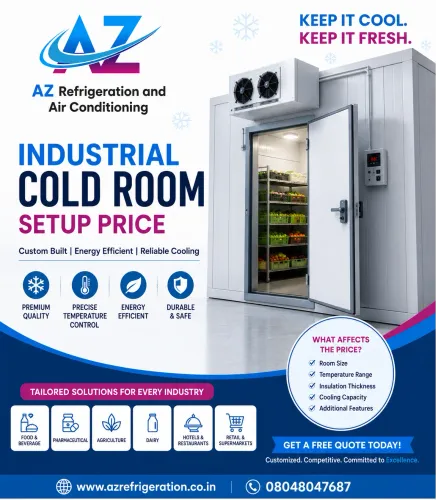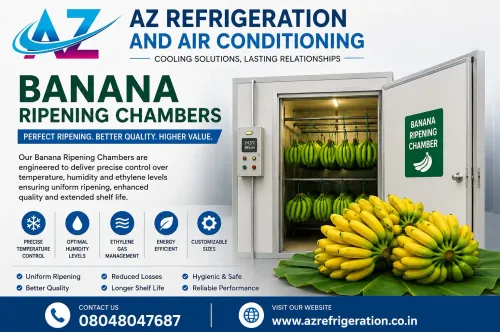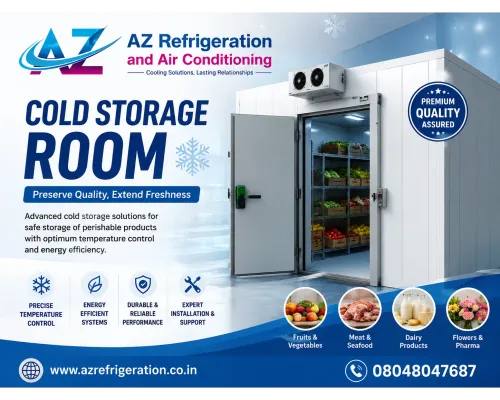

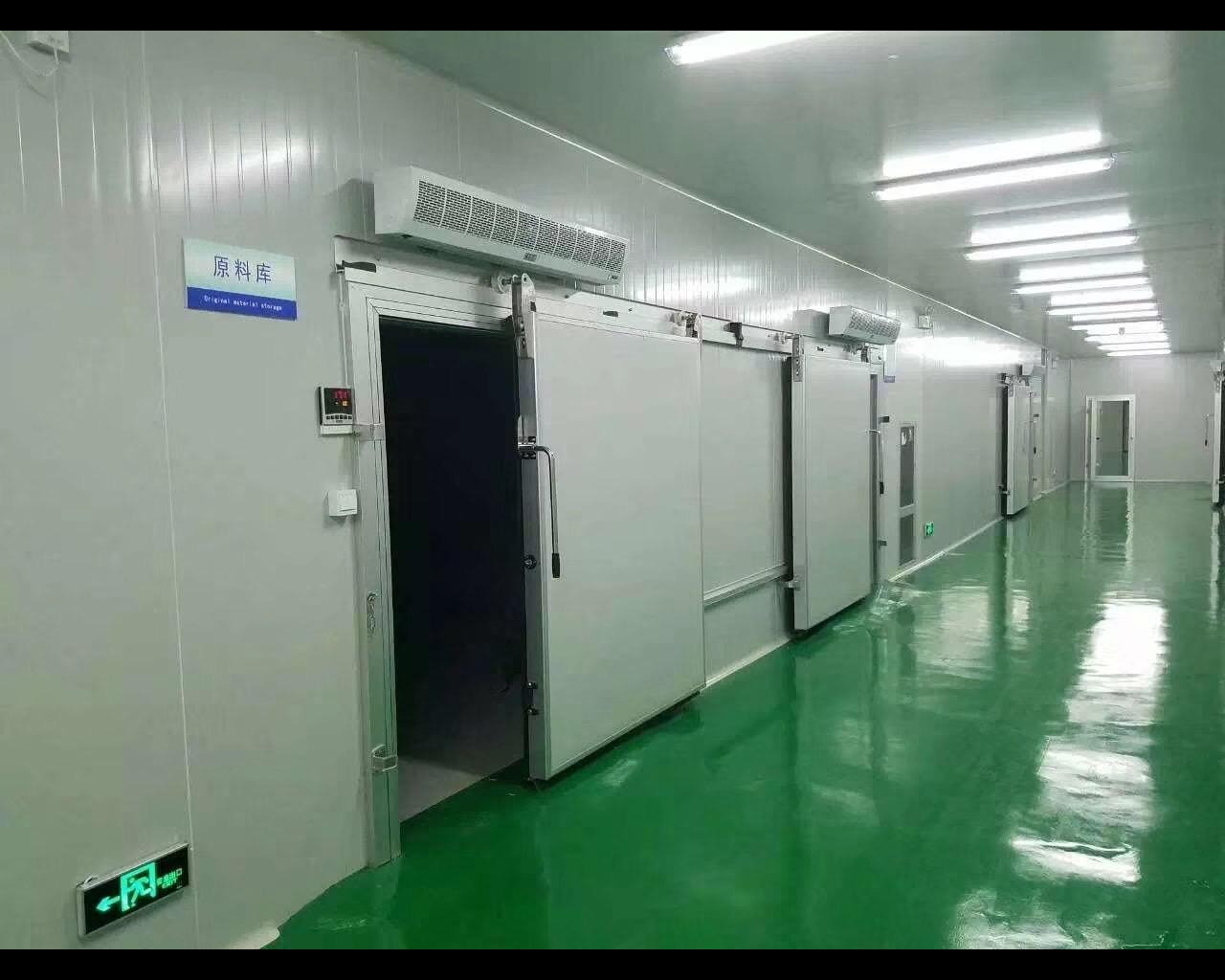
Selecting the right cold room size is one of the most important decisions for any business that stores temperature-sensitive products. A cold room that is too small can limit your storage capacity and disrupt daily operations, while an oversized cold room may result in unnecessary installation costs and higher electricity consumption.
At AZ Refrigeration and Air Conditioning, we help businesses choose the ideal cold room size based on their storage requirements, product type, available space, and future expansion plans. Our customized cold room solutions are designed to maximize storage efficiency while maintaining reliable temperature control and energy savings.
Why Choosing the Correct Cold Room Size Matters
The size of your cold room directly affects its performance, operating costs, and storage efficiency. A properly designed cold room provides:
- Maximum storage capacity
- Better air circulation
- Consistent cooling throughout the room
- Lower electricity consumption
- Improved product safety
- Longer equipment lifespan
- Reduced maintenance costs
- Room for future business growth
Factors That Determine the Right Cold Room Size
Every business has unique storage requirements. Before selecting a cold room, several factors should be carefully evaluated.
1. Type of Products You Store
Different products require different storage conditions and occupy varying amounts of space.
Examples include:
- Fruits and vegetables
- Dairy products
- Ice cream
- Meat and seafood
- Frozen foods
- Pharmaceuticals
- Bakery products
- Beverages
- Flowers
Bulky products or palletized goods generally require larger storage areas than boxed or packaged items.
2. Daily Storage Volume
Estimate how much stock you need to store on an average day.
Consider:
- Daily inventory
- Weekly stock
- Seasonal demand
- Emergency stock
- Delivery schedules
Businesses with fluctuating inventory should plan for peak storage requirements rather than average usage.
3. Packaging Style
Storage capacity depends on how products are packed.
Examples:
- Plastic crates
- Cartons
- Pallets
- Shelving systems
- Racks
- Bulk containers
Well-organized storage layouts improve space utilization and airflow.
4. Future Business Expansion
Many businesses underestimate future growth.
When planning your cold room, consider:
- Increasing production
- Additional product lines
- Business expansion
- New customers
- Higher seasonal demand
Choosing a slightly larger cold room today can help avoid expensive upgrades later.
5. Available Installation Space
The available area at your site determines the maximum cold room dimensions.
During site planning, professionals evaluate:
- Floor area
- Ceiling height
- Door location
- Loading access
- Ventilation
- Electrical supply
- Equipment placement
6. Required Storage Temperature
Temperature requirements influence refrigeration capacity.
Examples include:
| Application | Typical Temperature |
|---|---|
| Fruits & Vegetables | +4°C to +10°C |
| Dairy Products | +2°C to +4°C |
| Pharmaceuticals | +2°C to +8°C |
| Frozen Foods | -18°C to -25°C |
Lower temperatures require more powerful refrigeration systems, which can affect the overall design.
Common Cold Room Sizes
Cold rooms can be customized for businesses of every scale.
| Business Type | Typical Cold Room Size |
|---|---|
| Restaurant | Compact walk-in cold room |
| Bakery | Small to medium cold room |
| Supermarket | Medium commercial cold room |
| Dairy Plant | Large industrial cold room |
| Pharmaceutical Company | Temperature-controlled cold room |
| Food Processing Unit | Customized industrial cold room |
| Hotel | Walk-in cold room with shelving |
| Fruit & Vegetable Distributor | Large storage cold room |
The exact dimensions depend on storage volume, workflow, and available space.
Signs Your Cold Room Is Too Small
You may need a larger cold room if:
- Products are stacked too tightly.
- Air circulation is restricted.
- Cooling is inconsistent.
- Inventory is difficult to organize.
- Employees struggle to access stored goods.
- Frequent stock replenishment is required due to limited space.
Signs Your Cold Room Is Too Large
An oversized cold room may lead to:
- Higher installation costs
- Increased electricity consumption
- Underutilized storage space
- Longer cooling times
- Higher maintenance expenses
Proper sizing balances storage needs with operational efficiency.
How AZ Refrigeration and Air Conditioning Determines the Right Size
At AZ Refrigeration and Air Conditioning, we follow a detailed assessment process before recommending a cold room.
Our experts evaluate:
- Product type
- Daily storage volume
- Loading and unloading frequency
- Temperature requirements
- Site dimensions
- Business growth plans
- Energy efficiency goals
This allows us to design a cold room tailored to your operations rather than relying on standard, one-size-fits-all solutions.
Advantages of a Properly Sized Cold Room
A correctly sized cold room provides:
- Better product preservation
- Lower electricity costs
- Efficient inventory management
- Uniform cooling performance
- Improved operational workflow
- Reduced food or product wastage
- Long-term cost savings
- Higher return on investment
Industries We Serve
AZ Refrigeration and Air Conditioning provides customized cold room solutions for:
- Food Processing Industries
- Dairy Plants
- Pharmaceutical Companies
- Hotels
- Restaurants
- Supermarkets
- Hospitals
- Ice Cream Manufacturers
- Fruit & Vegetable Suppliers
- Meat and Seafood Processing Units
- Floriculture Businesses
- Beverage Companies
Why Choose AZ Refrigeration and Air Conditioning?
Businesses choose us because we offer:
- Customized cold room design
- Premium PUF insulated panels
- Energy-efficient refrigeration systems
- High-quality components
- Professional installation
- Preventive maintenance support
- Reliable after-sales service
- Solutions for commercial and industrial applications
Our goal is to deliver a cold room that fits your business today while supporting its growth in the future.
Frequently Asked Questions (FAQs)
1. How do I calculate the size of a cold room?
The required size depends on your storage volume, product dimensions, shelving layout, temperature requirements, and expected business growth. A professional site assessment provides the most accurate recommendation.
2. Can I expand my cold room later?
Yes. Many modular cold room systems can be expanded, although planning for future growth during the initial design is often more cost-effective.
3. What is the ideal cold room size for a restaurant?
The ideal size depends on the menu, storage needs, and inventory turnover. Restaurants with higher food volumes generally require larger walk-in cold rooms.
4. Does a larger cold room consume more electricity?
Generally, yes. Larger rooms require greater cooling capacity, but proper insulation and efficient refrigeration equipment can significantly reduce operating costs.
5. How much space should be left for air circulation?
Adequate clearance around products, walls, and evaporators is essential for maintaining consistent temperatures and efficient airflow.
6. Can one cold room store different types of products?
Yes, provided the products require similar temperature and humidity conditions. If storage requirements differ significantly, separate zones or dedicated cold rooms may be recommended.
7. How long does it take to install a customized cold room?
Installation time varies based on the project's size and complexity, but a detailed schedule is provided after the site assessment and design approval.
8. Why should I choose AZ Refrigeration and Air Conditioning?
We provide customized cold room solutions designed around your products, storage capacity, available space, and future business plans, ensuring efficient performance, reliable cooling, and long-term value.